
Here’s a secret I am going to willingly share with you. For many years, maybe even into my young adult years (don’t judge), I imagined there was another world of cucuys beneath my bed. And I mean ANY bed I happened to be sleeping in, whether at home or a relative’s household or at a hotel. The fear usually came at nighttime when the lights were off.
Curiously enough though, keeping a light on only seemed to frighten me more. I imagined more eyes were on me if I left lights on.

Nestled in my mind was the myth of a well-known creature that comes from Mexican folklore. The myth of a creature that lies shrouded in mystery and fear — El Cucuy. For generations upon generations in my family and in my community, this infamous being has haunted the imagination of kids and grownups alike, its legend passed down through spoken tradition.
In this blog post, I invite you to reflect on your own history with the cucuys you were told about. When do you remember first hearing about them? Who would use these creatures to spook you? What were your first impressions of it, and how has your internal depiction of it changed over time?
El Cucuy’s Origins:
Jumping right into the origins of the Cucuy isn’t so simple.
Notice how I’ll go back and forth from referring to it as El Cucuy to the cucuys. I’m confusing myself even now as I type this, lol! Is it one particular creature, or a species of creatures? The answer isn’t straightforward, as folklore often varies by region and storyteller. Some tales depict El Cucuy as a particular threatening presence, while others describe cucuys as a species of creepy creatures. This duda adds to the magic and fear surrounding these criaturas.
To me, El Cucuy is not necessarily describing one being. It’s a jumble of histories that interweaves over time and histories and cultures and folklore. If referring to Mexican American roots, its origins become a complex mixture of our ancestral indigenous theories, the colonial influences that are also part of our bloodlines, and the fusion of cultures after the 16th century that changed its trail throughout our post-conquest histories.
Tracing its roots back to pre-Columbian times, we discover how ancient Mesoamerican civilizations had their own versions of wicked spirits creeping around in the shadows. I believe that in my family, the cucuys took their root somewhere in time when both our indigenous and our white ancestors first uncovered experiences with these criaturas. El Cucuy is so profound in our inherited memories, that I truly believe my kin are born fearing it/them.
With the arrival of Spanish conquistadores in Mexico came the blending of these native beliefs with European folk tales, giving rise to new iterations of the Cucuys, or El Coco, or the Boogeyman. It’s important to remember that our European bloodlines are not exclusively of Spanish descent; many of us have strong lineages of Italian and French ancestry, among others. This has contributed to the various and interesting folklore surrounding these creepy creatures.
And now, being part of the melting pots in society, pop culture has changed so many narratives that have allowed us to blend our stories with similar ones from other cultures. Or maybe, just maybe, we are all sharing stories of the same creature.
What does it look like?:

This is where my confusion starts to show. See, I can recall imaging two versions of the boogeyman.
One was the creature my mami would frighten me with when I lived out in Las Milpas, TX, back when it was all dirt roads and farmland for miles. I must have been about four years old when the first memory of it pops into my mind.
In this memory, mami is trying to put me to nap during the daytime. As I’m staring out the window, she is singing to me a song that states I need to go to sleep before the Cucuy comes to get me. She knocks on the windowsill to insinuate it is knocking on the door for me. And in my imagination, I can see it walking down the dirt road and towards the front of the house. It is wearing a white cowboy hat, a plaid red shirt, and dirty khaki pants but has a brown fabric over its face. Maybe the figure in my imagination comes from a scarecrow? Quien sabe? I really don’t know.
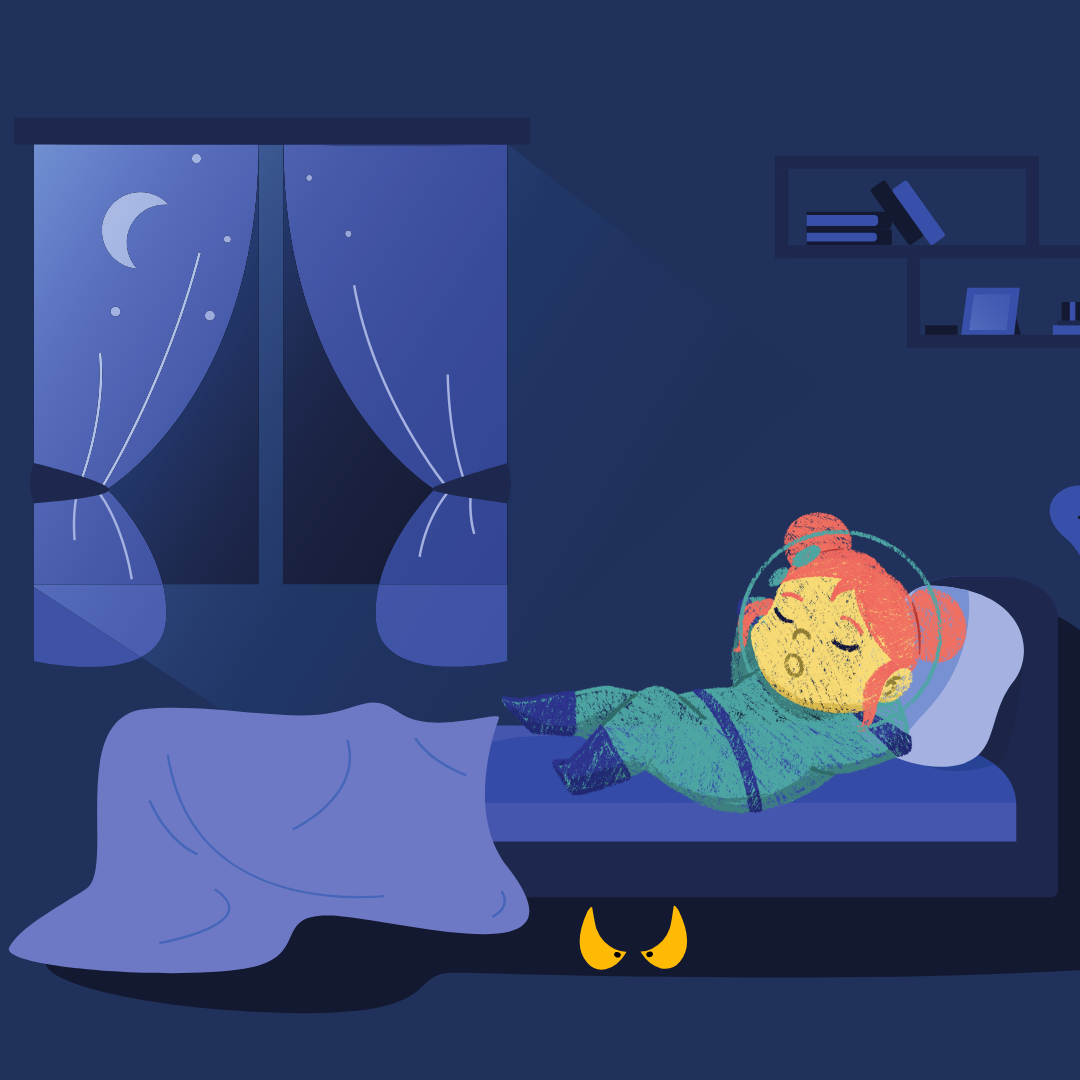
The other Cucuy I can tell you of would only come out at nighttime, and particularly liked to hide in the closet or beneath the bed. One never really saw its face, just its rotting hand with long black nails that were more clawlike than human. It would reach out from the obscurity and tug at your foot until you disappeared into a mysterious tunnel. I guess maybe the tunnel was a realm where the cucuys live.
El Cucuy might be a shape-shifting creature, able to take on various forms to suit its evil purposes. From a shadowy figure prowling in the corners of a dimly lit closet to a grotesque creature haunting the depths of the forest, its manifestations are as interchangeable as the imaginations of those of us who fear it. I’ve heard it described as a furry and stinky monster with glowing and elongated red eyes, while others envision a haunted presence living in deserted houses.
In Culture:

Beyond its role as a boogeyman used to frighten children into behaving, the Cucuy holds deep cultural significance in Mexican American society. Even for my Abuelita Pera who grew up near Saltillo, Coahuila in Mexico during the 1920s, this creature served as a cautionary tale warning against the risks of drifting too far from home or daring to walk alone in the darkness.
Its presence throughout the past century has been captured in Mexican and American literature, art, and even comes out often in popular media reflecting its standing impact on the collective consciousness of our gente.
El Cucuy presents regional adaptations, with different communities from both sides of the Tex-Mex border adding their own distinctive twists to the lore. From the mountains in Durango to the border town in South Texas I am currently blogging from, each version reflects the landscapes and traditions of the audience it is spooking.
This creature stands as a testament to the power our abuelitas have in capturing the imagination and evoking our primal fears. What do you recall hearing about this creature?

 Priscilla Celina Suárez