Reflections: Cuentos of the Cucuy

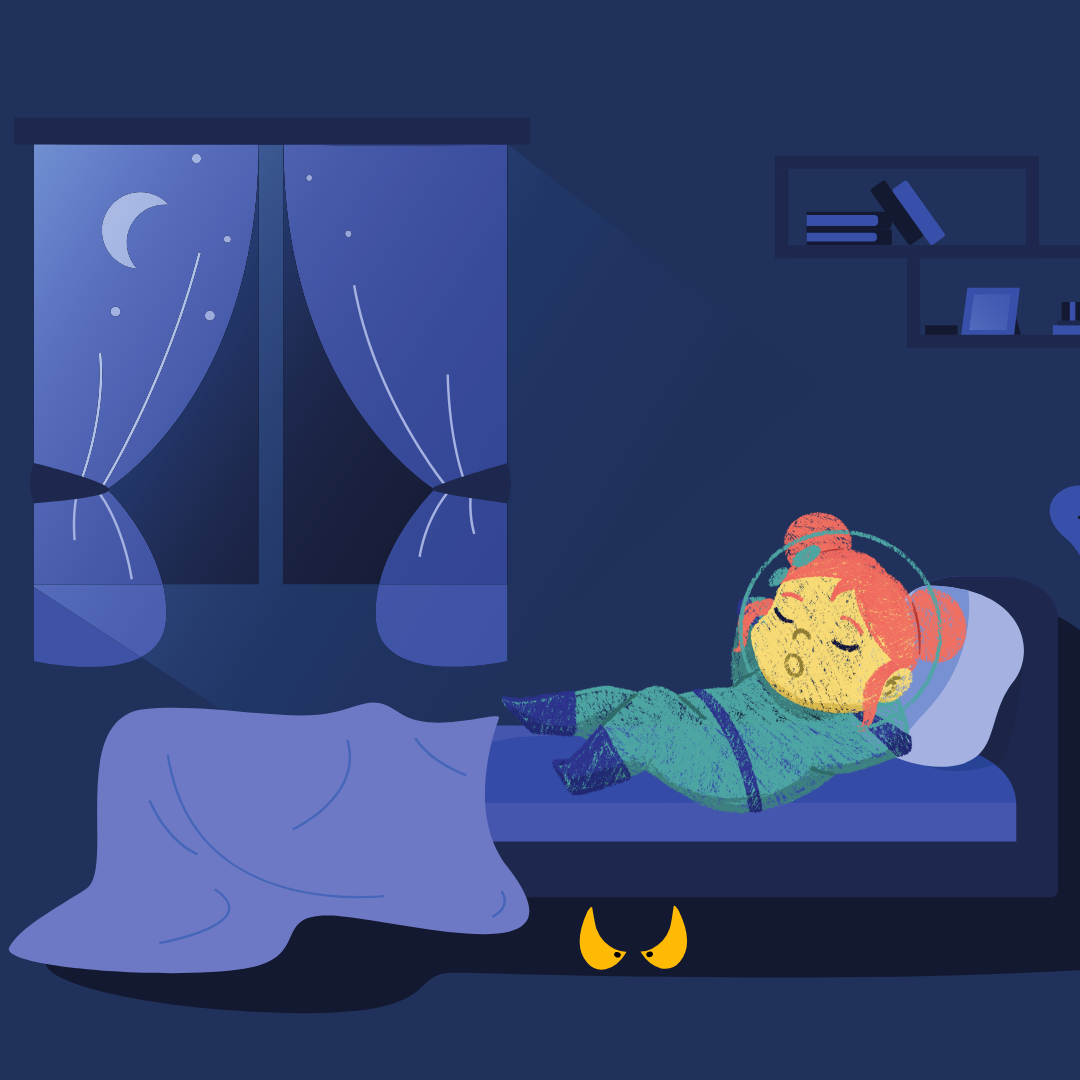
Here’s a secret I am going to willingly share with you. For many years, maybe even into my young adult years (don’t judge), I imagined there was another world of cucuys beneath my bed. And I mean ANY bed I happened to be sleeping in, whether at home or a relative’s household or at a hotel. The fear usually came at nighttime when the lights were off.

Curiously enough though, keeping a light on only seemed to frighten me more. I imagined more eyes were on me if I left lights on.

Nestled in my mind was the myth of a well-known creature that comes from Mexican folklore. The myth of a creature that lies shrouded in mystery and fear — El Cucuy. For generations upon generations in my family and in my community, this infamous being has haunted the imagination of kids and grownups alike, its legend passed down through spoken tradition.

In this blog post, I invite you to reflect on your own history with the cucuys you were told about. When do you remember first hearing about them? Who would use these creatures to spook you? What were your first impressions of it, and how has your internal depiction of it changed over time?

Jumping right into the origins of the Cucuy isn’t so simple.

Notice how I’ll go back and forth from referring to it as El Cucuy to the cucuys. I’m confusing myself even now as I type this, lol! Is it one particular creature, or a species of creatures? The answer isn’t straightforward, as folklore often varies by region and storyteller. Some tales depict El Cucuy as a particular threatening presence, while others describe cucuys as a species of creepy creatures. This duda adds to the magic and fear surrounding these criaturas.
To me, El Cucuy is not necessarily describing one being. It’s a jumble of histories that interweaves over time and histories and cultures and folklore. If referring to Mexican American roots, its origins become a complex mixture of our ancestral indigenous theories, the colonial influences that are also part of our bloodlines, and the fusion of cultures after the 16th century that changed its trail throughout our post-conquest histories.

Tracing its roots back to pre-Columbian times, we discover how ancient Mesoamerican civilizations had their own versions of wicked spirits creeping around in the shadows. I believe that in my family, the cucuys took their root somewhere in time when both our indigenous and our white ancestors first uncovered experiences with these criaturas. El Cucuy is so profound in our inherited memories, that I truly believe my kin are born fearing it/them.

With the arrival of Spanish conquistadores in Mexico came the blending of these native beliefs with European folk tales, giving rise to new iterations of the Cucuys, or El Coco, or the Boogeyman. It’s important to remember that our European bloodlines are not exclusively of Spanish descent; many of us have strong lineages of Italian and French ancestry, among others. This has contributed to the various and interesting folklore surrounding these creepy creatures.

And now, being part of the melting pots in society, pop culture has changed so many narratives that have allowed us to blend our stories with similar ones from other cultures. Or maybe, just maybe, we are all sharing stories of the same creature.

This is where my confusion starts to show. See, I can recall imaging two versions of the boogeyman.

One was the creature my mami would frighten me with when I lived out in Las Milpas, TX, back when it was all dirt roads and farmland for miles. I must have been about four years old when the first memory of it pops into my mind.

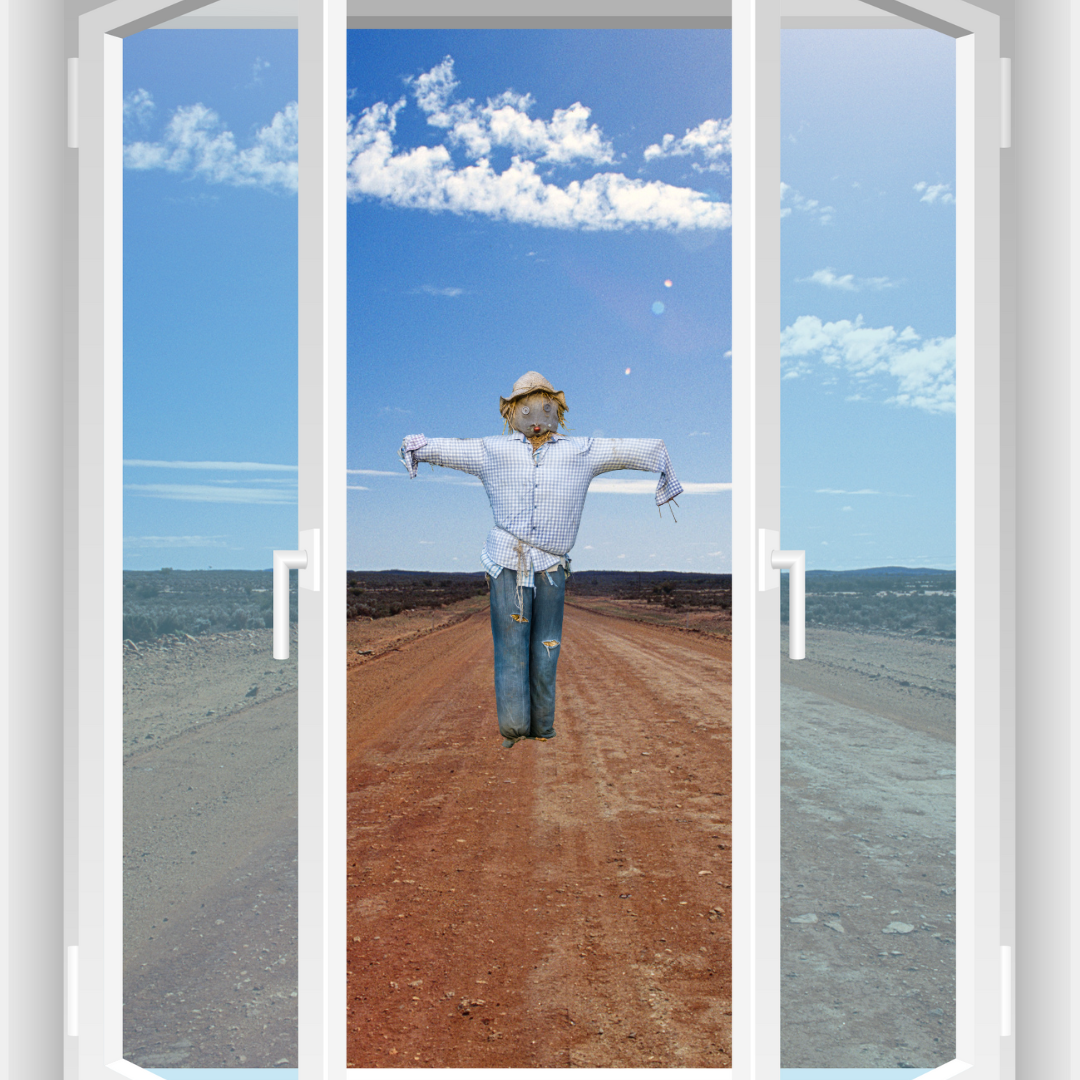
In this memory, mami is trying to put me to nap during the daytime. As I’m staring out the window, she is singing to me a song that states I need to go to sleep before the Cucuy comes to get me. She knocks on the windowsill to insinuate it is knocking on the door for me. And in my imagination, I can see it walking down the dirt road and towards the front of the house. It is wearing a white cowboy hat, a plaid red shirt, and dirty khaki pants but has a brown fabric over its face. Maybe the figure in my imagination comes from a scarecrow? Quien sabe? I really don’t know.

The other Cucuy I can tell you of would only come out at nighttime, and particularly liked to hide in the closet or beneath the bed. One never really saw its face, just its rotting hand with long black nails that were more clawlike than human. It would reach out from the obscurity and tug at your foot until you disappeared into a mysterious tunnel. I guess maybe the tunnel was a realm where the cucuys live.

El Cucuy might be a shape-shifting creature, able to take on various forms to suit its evil purposes. From a shadowy figure prowling in the corners of a dimly lit closet to a grotesque creature haunting the depths of the forest, its manifestations are as interchangeable as the imaginations of those of us who fear it. I’ve heard it described as a furry and stinky monster with glowing and elongated red eyes, while others envision a haunted presence living in deserted houses.

Beyond its role as a boogeyman used to frighten children into behaving, the Cucuy holds deep cultural significance in Mexican American society. Even for my Abuelita Pera who grew up near Saltillo, Coahuila in Mexico during the 1920s, this creature served as a cautionary tale warning against the risks of drifting too far from home or daring to walk alone in the darkness.

Its presence throughout the past century has been captured in Mexican and American literature, art, and even comes out often in popular media reflecting its standing impact on the collective consciousness of our gente.

El Cucuy presents regional adaptations, with different communities from both sides of the Tex-Mex border adding their own distinctive twists to the lore. From the mountains in Durango to the border town in South Texas I am currently blogging from, each version reflects the landscapes and traditions of the audience it is spooking.

This creature stands as a testament to the power our abuelitas have in capturing the imagination and evoking our primal fears. What do you recall hearing about this creature?

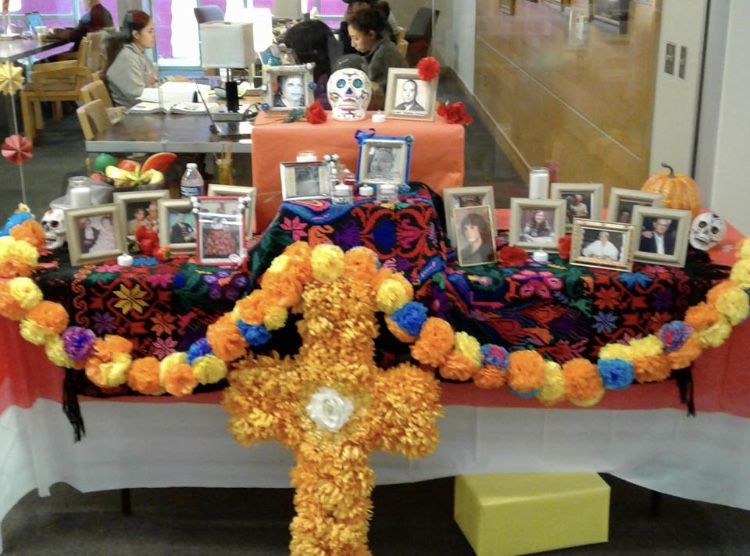
Altares for mis muertos

During this year’s Day of the Dead, I took a step back to breathe in the emotions that come with remembering my muertos. There are days of guilt for moving on with experiences I wish I could’ve shared with them. Fiestas, new additions to the family, laughter, memories.

Nobody warned me that time would make it harder. I’ve always heard it gets easier with time, but that’s just a lie to provide comfort.

I didn’t do so because it wasn’t a custom we grew up with or practiced in our home, but I often think creating an altar during Day of the Dead is something I’d like to pick up sometime to celebrate with my nieces and nephews in a means to help them remember the ancestors who would’ve loved them so much.


In creating altares for my beloved, these are the supplies I would need to create my ofrenda:

– yellow marigolds (cempazuchitl) for traditional purposes
– forget me nots to emphasize I’ll forget them not
– paper flowers and papel picado created by my family
– images of my dearly departed
– a statue of La Virgen de Guadalupe, particularly in memory of my Abuela Carmen & Great Abuela Toña, devout followers
– candles to light their way home
– a mantel I was gifted by my Great Aunt Tomasa during my last visit with her in our family’s ejido in Durango, MX
– a Big Red for ama, pan dulce for my abuelitas, tamales for my great aunts, beans for my abuelos, and pasta for my brother
– playing cards for ama and my brother Tim, gamblers at heart
– glasses of water for sustenance during their journeys
– incense to purify the air
– letters/drawings from my nieces & nephews as gifts to their grandma & uncle
– Band-Aids for my brother, the biggest clutz ever

I’m sure my family would have input on what else we could decorate our altares with. What would you use to honor your dearly departed when creating an altar?

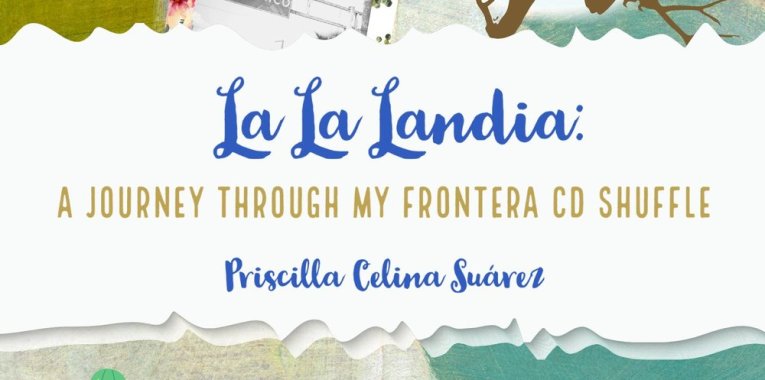
My New Book! La La Landia

My new book from FlowerSong Press has been released this month! It is a collection of poetry from the last decade and includes poetry that reminisces about El Valle when I grew up and our borderlands sister cities in el otro la’o.

Here’s the synopsis:
The borderlands of South Texas are the backdrop to this lively collection of poetry that explores the complexity of bridges, inviting readers to delve into the spaces between fronteras that connect and disconnect. Suarez shuffles through the vibrant music that inspired this book while recollecting the many rinconcitos of her beloved Rio Grande Valley.

Trip Across the Border

For someone who grew up in the borderlands, a fifteen minute drive from the frontera, it is so strange to reflect on my connection to el otro la’o. I still live in the same region, but dislocated from what was once a home-away-from-home.

Just a few weeks ago, what was shocking to me at first to realize, my teen nephews experienced Mexico for the first time. To them, it’s a new country and new territory and they had only heard what they’ve read about in the news. War-infested news and the violence that I have never witnessed.

How is this possible? 15 years in la frontera and never crossing that puente? How has fear created this wall for us?

It might be Mexico, but I’d hardly refer to Las Flores as a true experience of el otro la’o. It’s too much of a “touristy” town, everything in the stores and restaurants marked in U.S. dollars. Most vendors speaking English and dentists accepting American insurances.

Fabian drinking sweet tea.
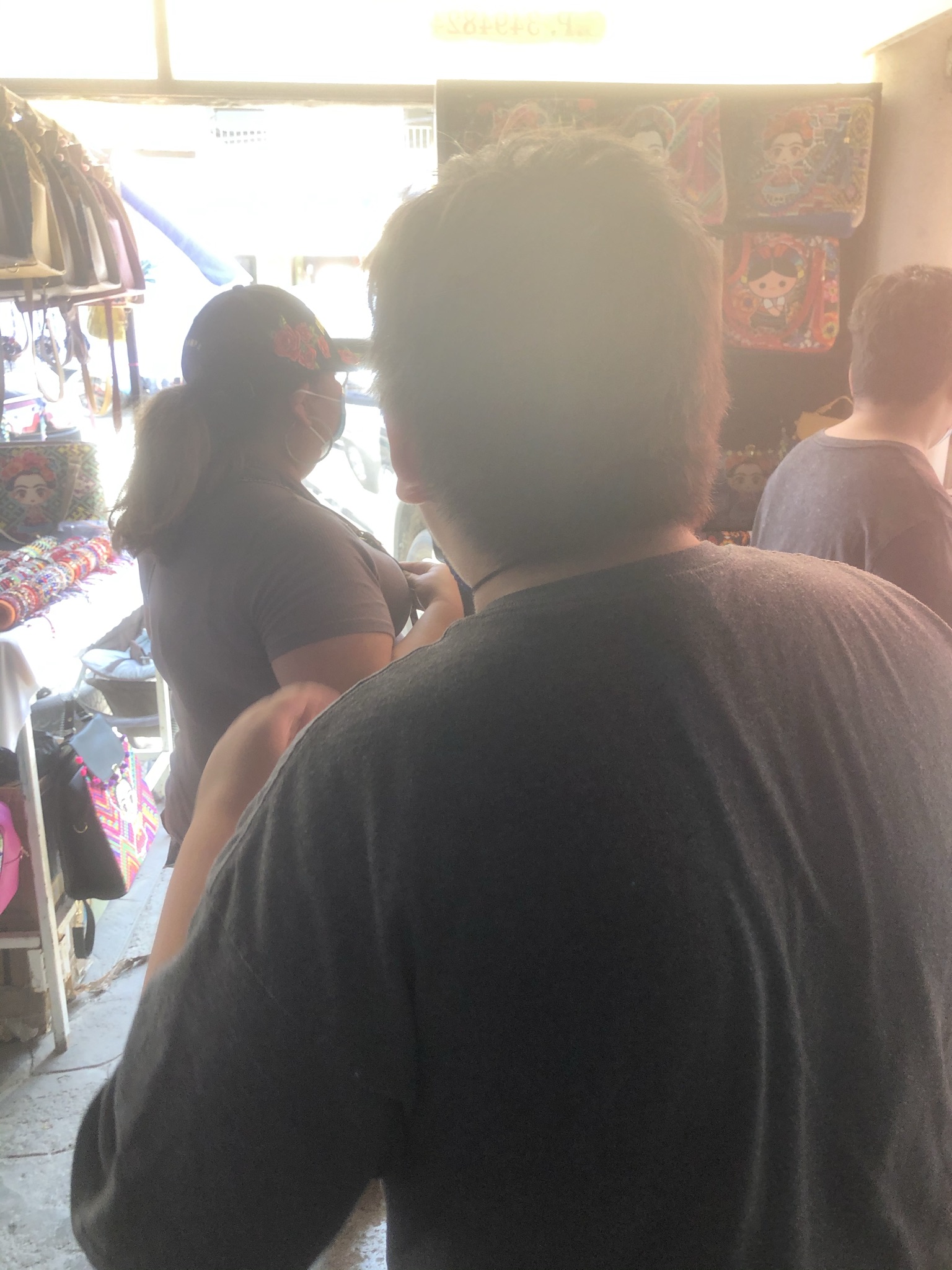
Browsing the vendor stands.
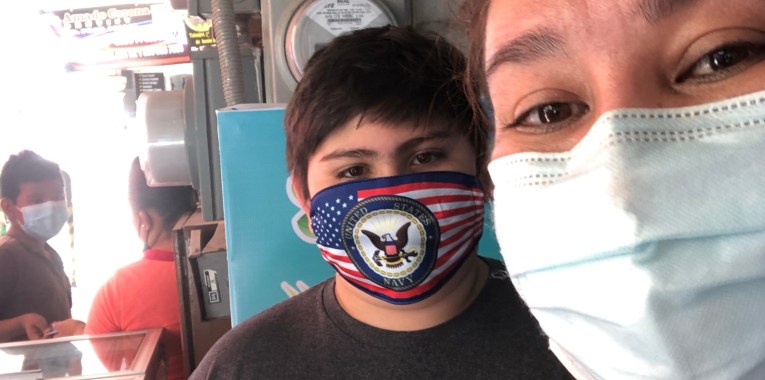
Selfie with Cheeto.

My sobrinos had lots of questions. It started right after walking towards the bridge, listening to the shouts from the migrant camps below the puente. Why were they living there? How long would they be there? How could they handle the heat? How far had they travelled? Did they speak English?

My 12-year-old nephew, Fabiano Italiano, ran to ask his mom if a little girl about 6-years-old was lost because she was selling gum by herself, and where were her parents? It was an eye-opening experience for him, for all of them, to see not every child is as privileged as they are.

When my brother told them they could each pick out $6 worth of snacks at the store, they laughed. What could they get with $6? A bag of Takis, handful of Gansitos, bags of spicy peanuts, a box of galletas surtidas, a Joya de manzana, and a few other goodies later, they were thrilled with their finds. All items we can easily find back at home, just not at that low price.

Lunch was a platica reminiscing about our relatives in Reynosa. Our almost daily trips to visit or go shopping. Reminiscing about life in our frontera in the 90’s.

Dulceria Shop Stop

Planning a sobrino’s birthday party is a family affair. Everyone pitching in to help out without being asked because, trust me, there will come a time when the favor will be returned.

Maybe it’s a Suarez thing to wait til last minute, like literally the week before, to decide to throw a fiesta. And so when my sister said she’d be throwing a piñata for my nephew the following weekend, I called shotgun to being the ‘madrina’ of candy bags and a piñata. And you know what this means, right?!

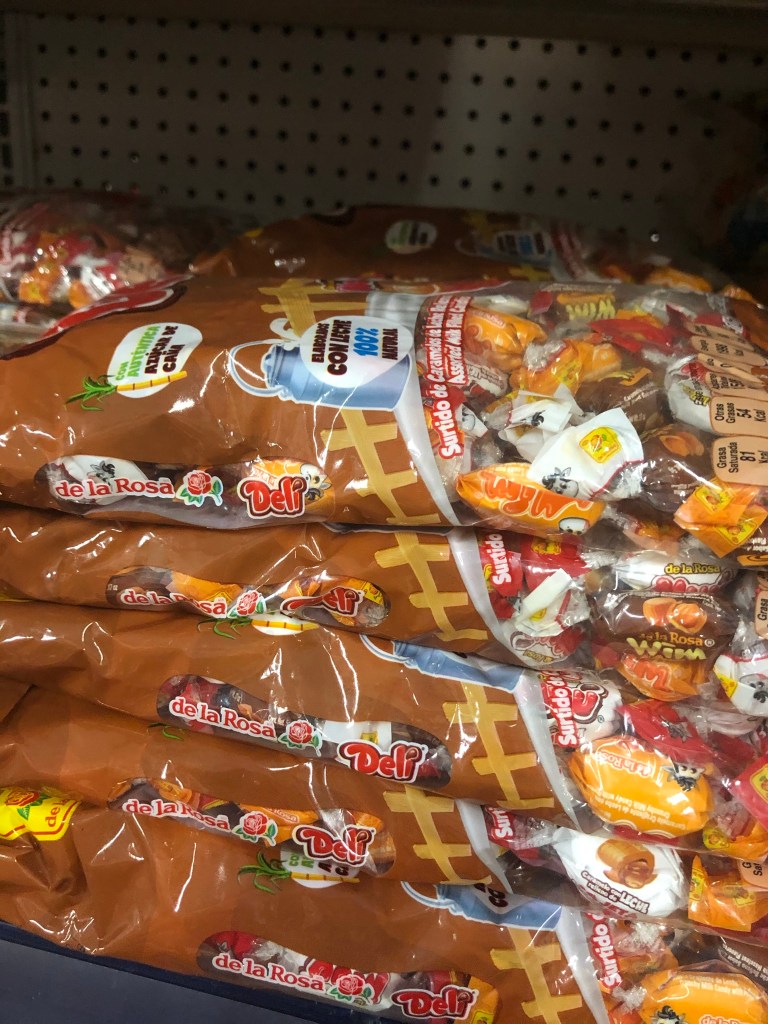
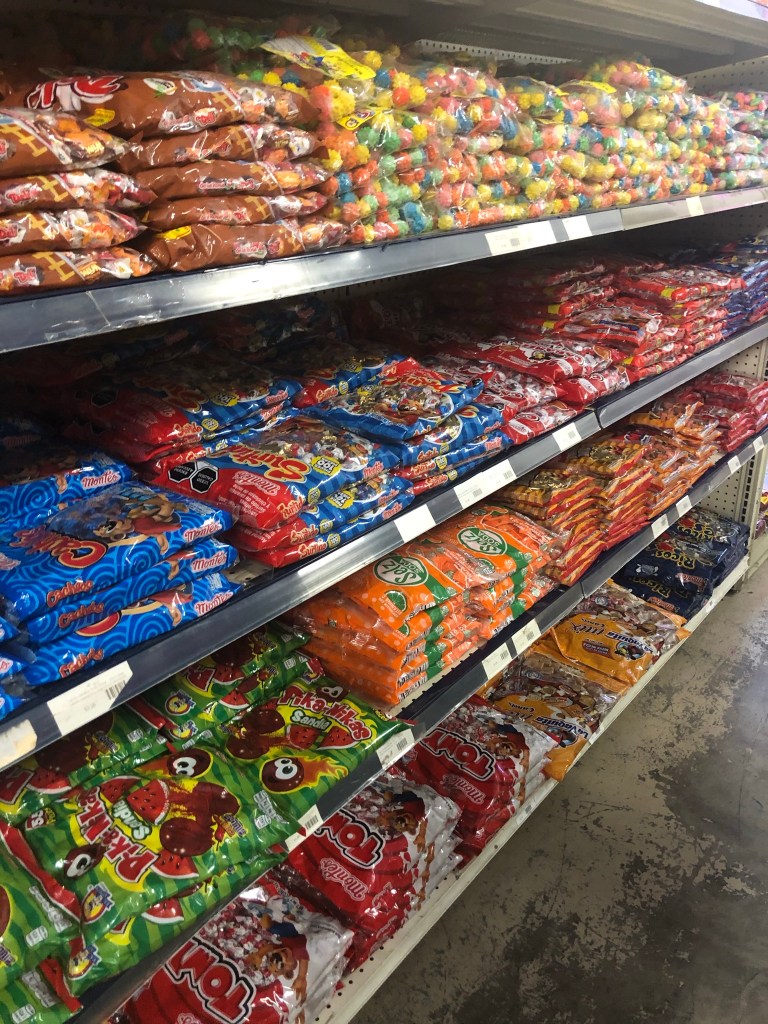
Searching for a dulceria somewhere nearby. If you grew up in El Valle, dulcerias have always been a go-to for getting Mexican candy on the cheap. Literally de todo. Tamarindo, dulce de leche, chicles, mazapan, duvalin, those payaso pops, lucas, chicharrones, salimon, pulparindo, and on and on.

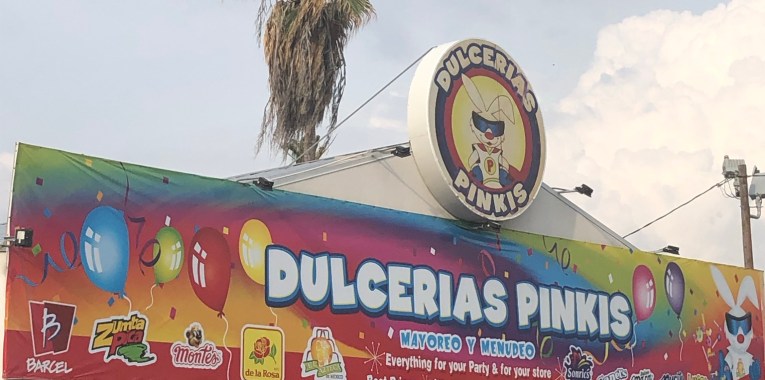
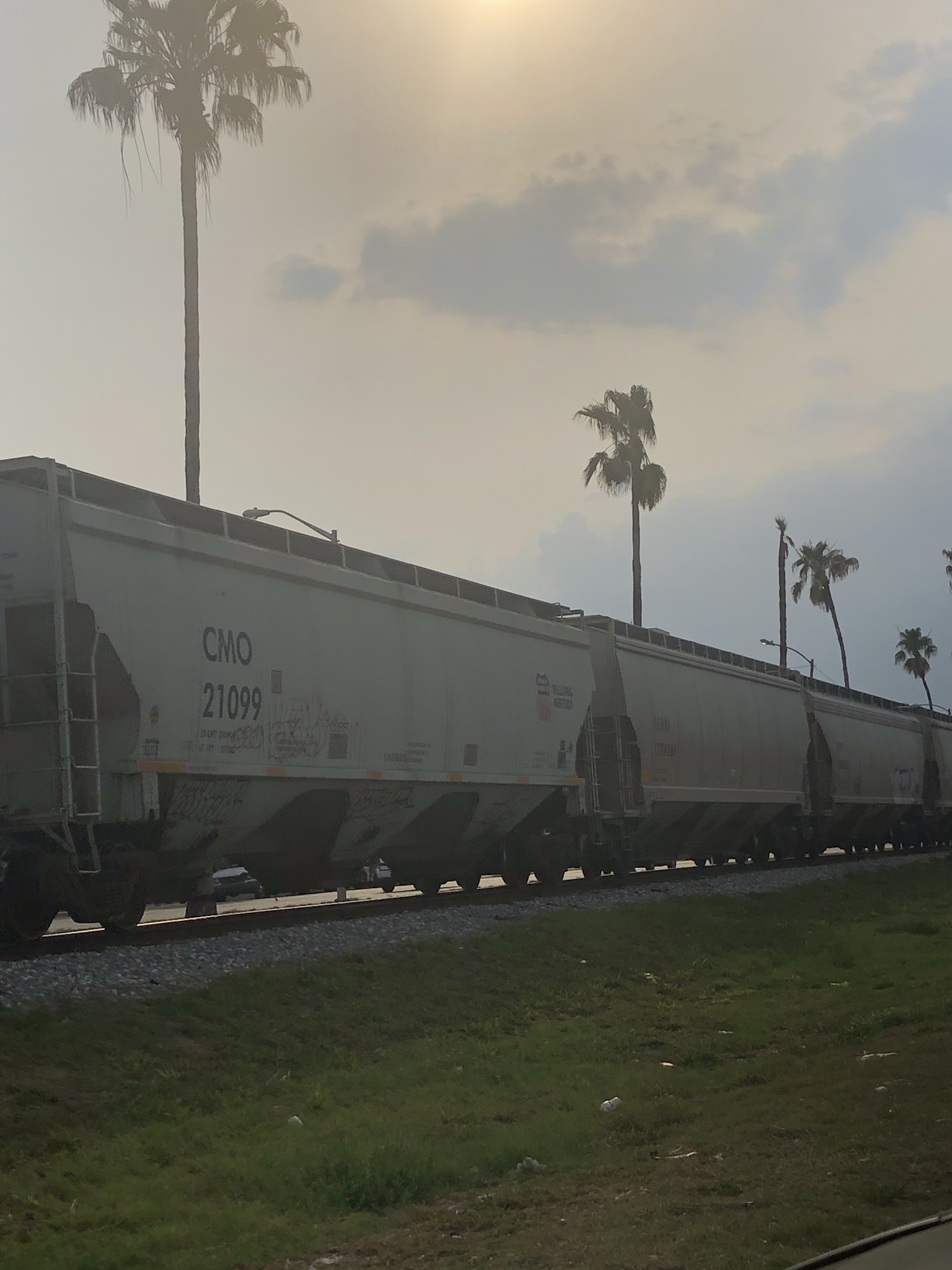
I hadn’t been to a dulceria since before the pandemic and had to drive around searching for one that was still open. Luckily, I ended up finding one that promised me a couple of hours of making bad decisions. Off of Old 83 and 2nd Street in McAllen, I spotted Dulcerias Pinkis, which I almost missed when a train blocked the view.

Train on the tracks by Old 83

Even before walking into the dulceria, I knew it was a bad decision walking in there by myself. In case you don’t know me, this woman right here is the candy queen of the family. It’s one of my weaknesses. This picture below is what my view was as I got off my car.

Entrance to Dulcerias Pinkis

Doesn’t the entrance look like you’re about to enter a circus?

And oh boy, you have no idea how many trips around the store I took, grabbing candy and then returning it to where it belongs when trying to budget myself. The selection of piñatas varied with popular themes such as Pikachu, Spongebob, Power Rangers, and sirenas and were hanging all thru the store from the ceiling.

Piñatas hanging from the ceiling

With knick-knacks all around, such as Mexican embroidered blouses and Frida Kahlo inspired tote bags, focusing on shopping only for candy was quite the task! That candy selection though.

Which candies would you choose from a dulceria? Do you have a favorite candy shop in your area?

Apa, The Babysitter

Apa has become that abuelito he didn’t imagine he’d become. The babysitter. Any time I stop by for a visit, I can certainly expect to find a niece or nephew (sometimes the entire lot of them) spending time with their grandpa. And if none are there, he’s likely to be out and about visiting them. He has so much love to give.

I certainly never expected to see him changing diapers or preparing arroz con leche for his grandkids, but there he is calling his sister-in-law for recipes my mom once used to make the kids. As a chemist, he decided not to stress about preparing meals for the first time in his life. After all, isn’t it like throwing together chemicals? I guess he does have a point there.

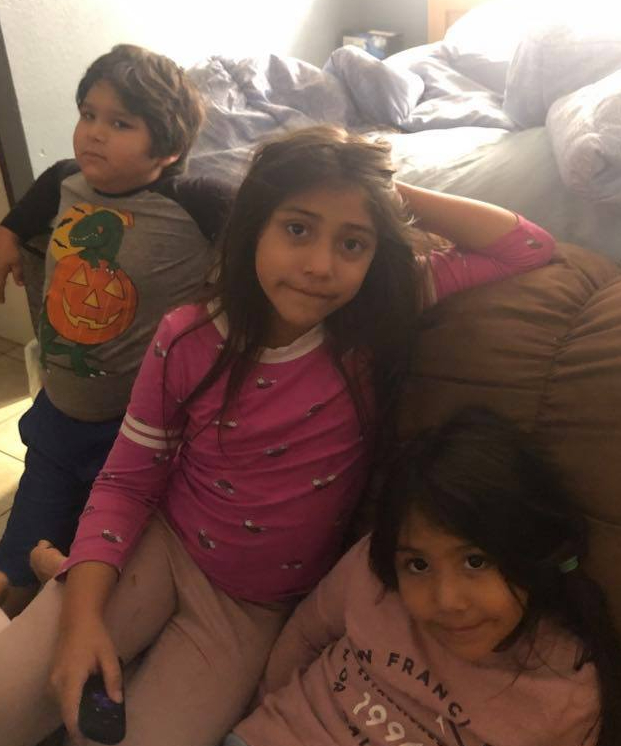
The preschoolers: Julian, Navia, and Tori

I imagine ama full of pride at his role now that she’s gone. Not really gone though. We feel her presence in their home, our home, whenever we’re there. I don’t even know how to explain it to you. But there is sometimes this guilt of moving on without her.

Last weekend that I stopped by to see him, the preschoolers were running around the living room playing tag, and apa sat back laughing at their conversation about dinosaur raptors as he read the newspaper. It was the current edition of ‘The Monitor’ and such a familiar picture to me. I can’t remember a day when he didn’t spend the morning catching up on the news, and then informing us about what he read. We learned from him the importance of keeping up with what’s happening in our community, and the world.

What’s in the News

Apa reading ‘The Monitor’

The week had been tense after the Capitol Riots, and looking forward to Biden’s inauguration felt bittersweet. Up until the actual day of the inauguration there was a sense of caution many of us felt, not sure everything would go smoothly. But the day was something we’d been looking forward to.

In the news was a list of COVID related deaths that overflowed the paper. And scattered throughout, the articles mostly related to the pandemic. Most events featured were virtual programming.

We wondered what my mom and older brother would have thought if they had lived through these times. I’m certain ama would have been glued to CNN and my brother would have been finding ways we could be extra cautious. They certainly would have never imagined a pandemic in the short time after their passing.

Un Recuerdo: Breakfast con Abuelo

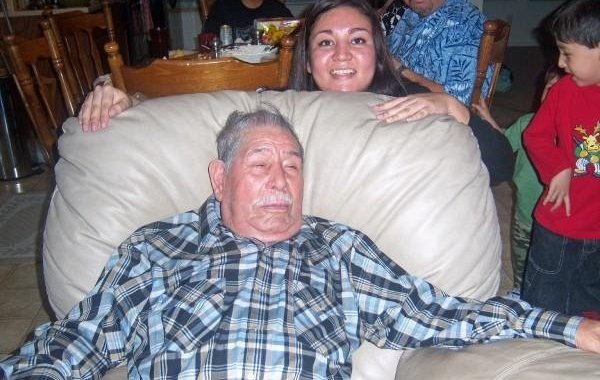
Mementos are powerful. Take, for example, this photograph I’d taken with my Abuelo Eduardo over 10 years ago. Looking at it is like a time-machine transporting me to that precise moment, feelings and all.

The morning in that photo, I awoke feeling like it was straight from a Folger’s coffee commercial.  Sin ganas de despertar. Pero, mi abuelo started up some of his Nescafe coffee con extra, extra sugar on the stove and put the fajita and pollo and sausage – that I had taken over from the previous night’s barbecue ­– to fry on the stove con chiles piquin and potatoes, all fried with tomato sauce.  Y con crunchy tortillas. Híjole!  You can imagine it, right?!

Delicious.  What a revoltura. My abuelo knew his hechos. Even abuela forgot about her empache y hay se sento a desayunar su platote de sea lo que sea que invento mi abuelo.

My aunt Elva was taking a siesta on the sofa.

After breakfast, mis abuelos went outside to water their jardin del paraíso – as I tended to call their garden.  Flowers and plants of all types.  And you should see the fruit they’d planted over the years!  Melons, sandias, uvas, duraznos, naranjas y limas, guayabas y tomatoes, hasta platanos, and more! They loved their jardin.  And so did I.  It wouldn’t have been my abuelos’ place without it.  I hope one day to take after them.

Uy!  I felt el espiritu de mi bis-abuela Linda pass right past me. Probably my imagination.  Probably.  Maybe it’s cuz I’m here by myself sipping on coffee, listening to Pedro Infante, writing on the flower patterned mantel abuela brought from San Miguel de Allende, thinking about life and the past.

And sometimes that hurts. Not knowing enough of the past when I want to know it all.

I Sometimes Imagine Borders

I sometimes imagine borders when I think of home. Not the physical lines that cross through the green blues of the Rio Grande, swelling against the cactus of the dry heat. No, not the obvious terrain without a bloom of roses or the branches of poincianas.

The liminal borders I pretend to imagine come to mind when my roots react, the realities of today eclipsing the limbo of my lenguajes. An imaginary border, tender thoughts slipping from my womb. I imagine my homeland out of grasp like the opal glittered with gold on Motecuhzoma’s chest.

I imagine swimming through oceans when I think of home with my relatives in our sister country, merely a river away.

Boundaries guilty of fear.

Boundaries separate of me.

Cafecito Moments

COVID has taken so much of my imagination away. It just disappeared somewhere down the lane of days and weeks and months. And without imagination, olvídate about creativity!

Being isolated from my extended family has taught me a few things. I hadn’t really thought much about it before these times, but my family and their cuentos inspire me so much. Their cuentos connect me to the community of love and hope and memories and chismes. That connection brings me laughter and alleviates the everyday stress by reminding me my burdens are not for me to carry alone.

I ran across the video clip below from my phone memories and immediately felt happy. Those cafecito moments with the different generations of family appreciating a simple moment.

What are some of the pre-COVID moments you are missing?

My Perspective as a Poet from the Borderlands

As a poet from the Rio Grande Valley, I write about what I know – which is my family, my culture, the distinctive region I live in, and the borders that surround us. I was eight years old the first time I was taught to be ashamed of my language. Growing up in a household on this side of the frontera, it wasn’t strange for my parents to choose teaching me only Spanish when it was their primary tongue and so common in our community. (Though my now pocha tongue would tell you otherwise.)

I am a Chicana/ Mexican-American from an immigrant family, I’ve lived my entire life in the border deeply immersed in Mexican culture. My parents grew up in America as migrant farmworkers, traveling the nation every year for work opportunities and witnessing firsthand discrimination towards their language and skin color. They experienced the burlas I never have.

I look at the divide between my parents’ upbringing and mine – what I see is how their struggles and experiences are embedded in everything I do. Their storytelling of calloused hands, deportation, and empty food pantries.

I am fortunate to be a part of an artistic family of comadres and compadres in El Valle that embraces the diversity of our borderland voices, acknowledging each other’s endeavors and experiencing how a support system has helped build a foundation that opened doors for our literary and arts community to flourish in the past decade. In my work at McAllen Public Library, I have seen the passion our local librarians and school teachers have for cultivating an environment of preserving our cultures.

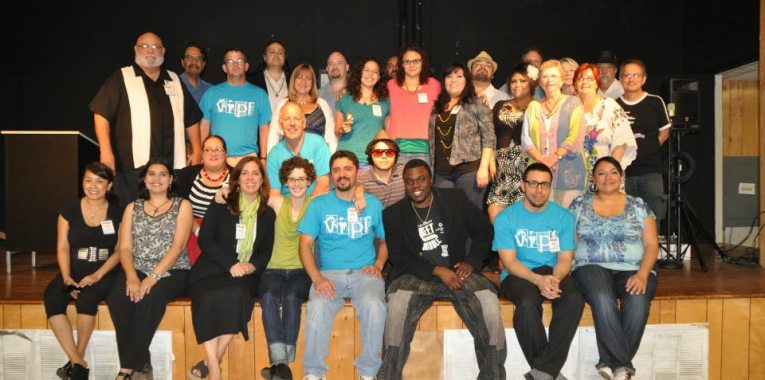
Recently, I had the privilege of becoming my city’s poet laureate from 2015-17, an experience that has connected me with a larger audience in my region. I have been visiting schools and community centers spanning the geographic length of the Rio Grande Valley. This role has been a humbling and enlightening experience, allowing me the privilege and opportunity of observing how residents of South Texas experience poetry with writers approaching me from the unlikeliest corners. My community has opened its doors in venues I’d never considered, such as the Mexican Consulate in McAllen, TX. This absolutely thrills me but also has shown me that even in the Valley, there’s a spectrum of literacy we have yet to acknowledge.

After all, how can I consider events I’ve attended and hosted as being an embodiment of ‘border voices’ when our peers from el otro lado haven’t been represented?

In recent years, I have seen a growing number of Mexican, Central and Latin American residents at poetry events here in the Valley. This is due to immigration surges from Central and South America and also because of the closure of cultural centers in Mexico, where our frontera neighbors are facing increased fear and inseguridad. I’ve wondered what encourages them to participate in Valley events, and it is, I believe, because of the power of the spoken word and the Latino literary tradition that runs deep through the spectrum of Latinos with very different life experiences.

I believe these events must be documented by those living it.

Times have changed. It’s been almost five years since the last time I crossed the frontera, and what saddens me most is realizing my nieces and nephews will never know the frontera as I do. Their world only consists of este la’o and they have never met or visited la familia in Mexico.

Not because of a physical border, but that invisible border called fear.

I am from the borderlands of deep South Texas. A place where a wall was built to divide one region from the other – a symbol that confuses me with theories. I jump from skin to shell with my lenguajes – that’s what my borders gave me. Infinite roads of luck and legends and memories.

But to write of life en el otro la’o…to write about life as an immigrant…I could never do that because what I have learned is that all connections I have to those experiences aren’t enough. I have learned I am ignorant and naïve. I have learned that even though I am a writer, sometimes my job is to listen and learn and embrace and support other voices who can authentically tell these stories.